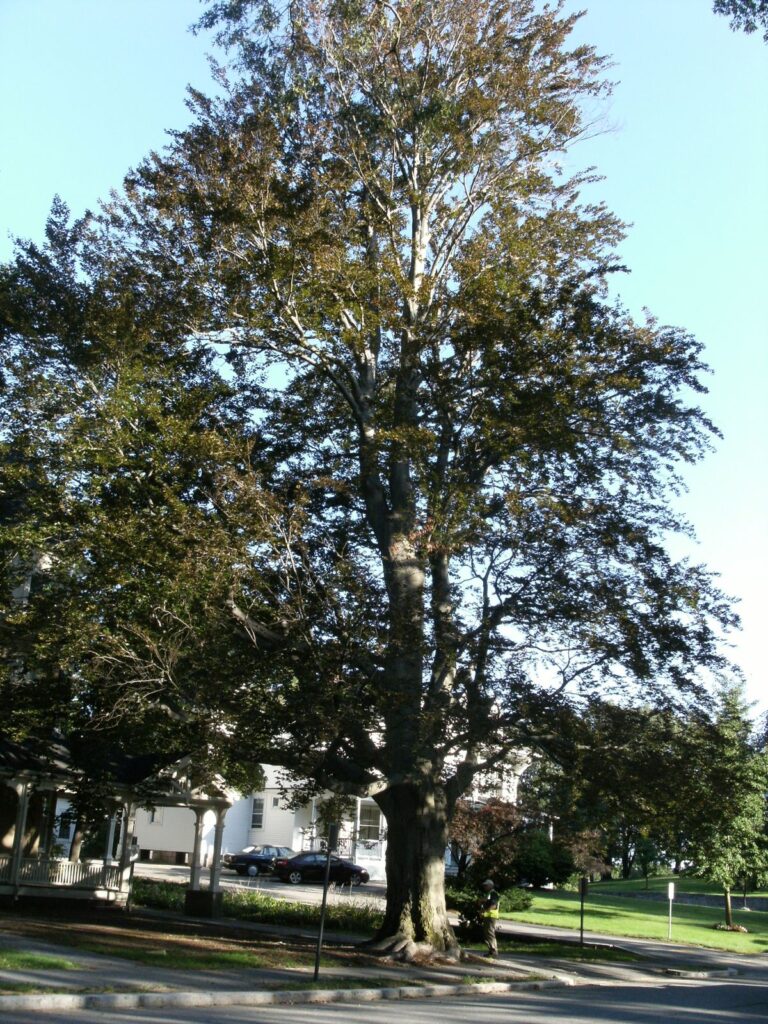
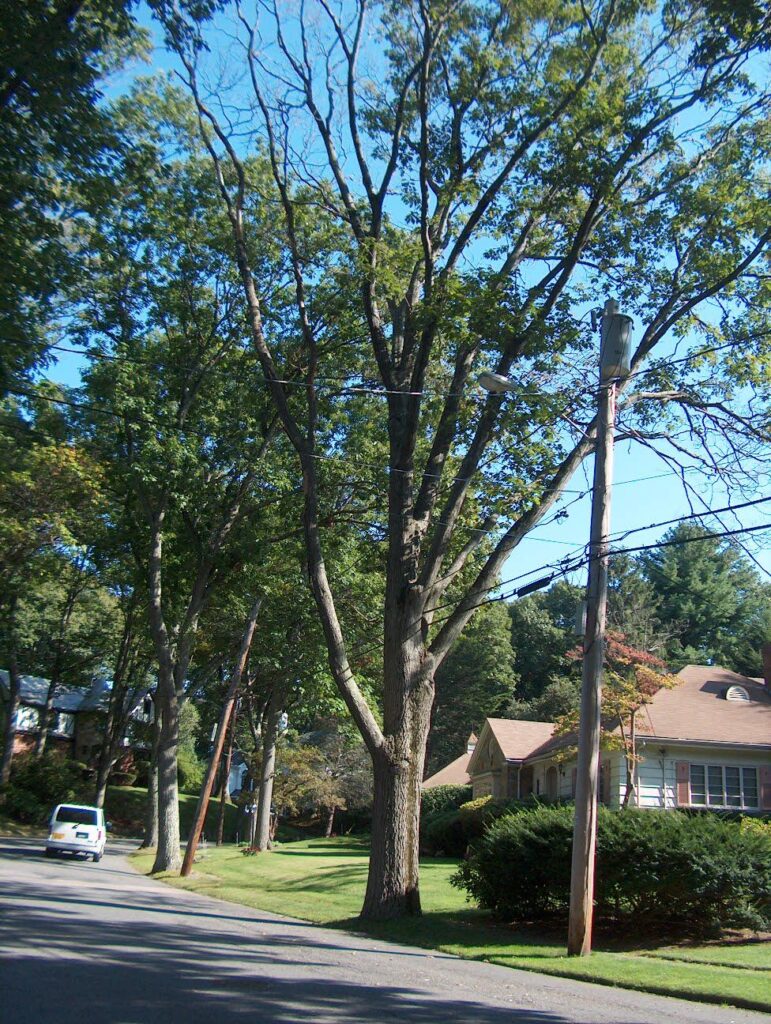
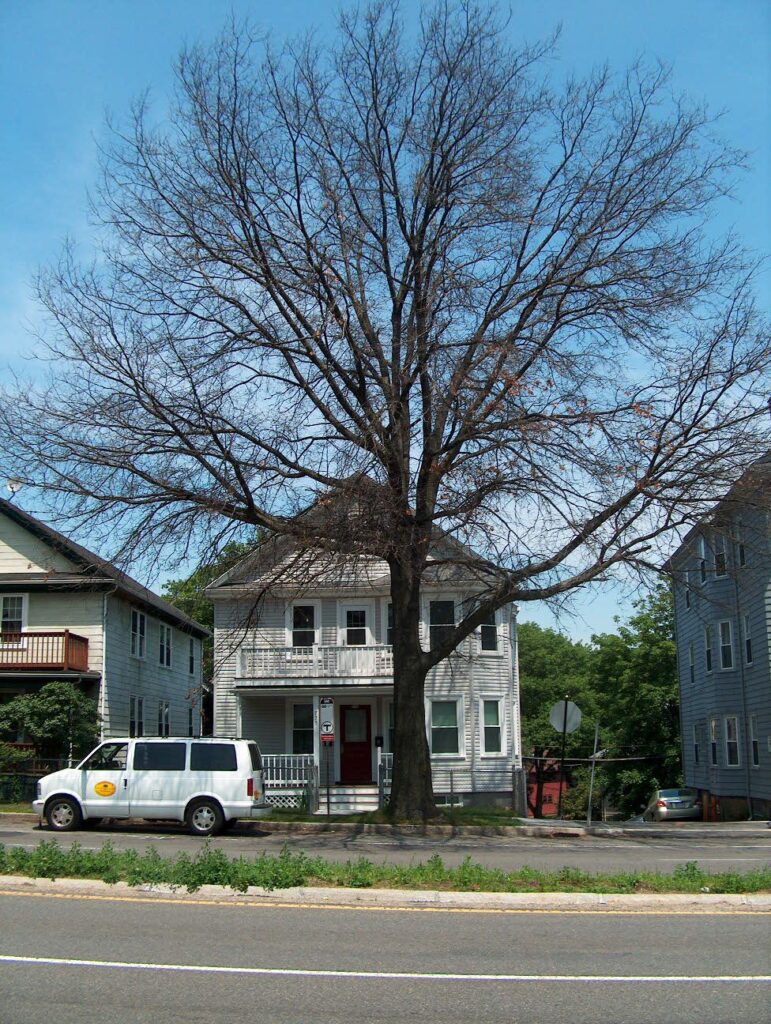
Gas Leaks Kill Trees
Leaking natural gas from subsurface pipelines is known to be deleterious to trees and should be repaired as soon as reasonably possible to protect the tree from further injury.
Leaking natural gas (primarily methane) damages trees mainly by starving their roots of oxygen, leading to root suffocation, impaired function, and eventual above-ground decline that often looks like drying out.
auf.isa-arbor.com Starting with Oxygen Displacement in the SoilTree roots need oxygen for respiration, just as leaves need it for photosynthesis. In healthy soil, air pockets contain roughly 18-20% oxygen. When natural gas leaks from underground pipes, methane migrates into the soil pores.
auf.isa-arbor.com This directly displaces soil oxygen to some degree. More importantly, it triggers a biological cascade: methane-oxidizing bacteria (methanotrophs) proliferate rapidly in the methane-rich environment. These microbes consume large amounts of the remaining oxygen to break down the methane, producing carbon dioxide and water as byproducts. Soil oxygen levels can drop to near zero, while CO₂ rises sharply (up to 10-15%).
auf.isa-arbor.com The result is anaerobic (oxygen-deprived) conditions around the roots, often persisting even after the leak is repaired because accumulated organic matter and reduced compounds continue to demand oxygen for recovery.
edepot.wur.nl Effects on Roots and Water/Nutrient UptakeWithout sufficient oxygen, roots cannot respire properly. They suffer:
- Reduced energy production.
- Cell damage.
- Discoloration (black, bluish, or water-soaked appearance).
- Death of fine root hairs. ipm.ucanr.edu
This impairs the tree’s ability to absorb water and nutrients. Even if soil moisture is present, the tree effectively experiences physiological drought because the damaged root system can’t transport water upward. Early on, you might see wilting or slowed growth; the canopy begins to thin as the tree sheds leaves or branches to conserve resources.
ipm.ucanr.edu Drying Out and Above-Ground SymptomsAs root function fails, the tree loses turgor pressure. Foliage wilts, turns brown and crispy, and appears “dried out” even in moist conditions. This is often described as:
- Crown dieback (starting from the top or outer branches).
- Partial leaf-out in spring.
- Scorched or brittle leaves.
- Overall decline that can mimic drought, disease, or herbicide damage. ipm.ucanr.edu
In severe or prolonged cases, the entire tree can die. Studies show urban street trees near gas leaks have dramatically higher odds of death—e.g., 30 times greater in one case-control study—especially when methane is detected in the critical root zone.
Detection tip: Soil may feel or smell unusual; methane readings are high near the leak source (often highest along streets where mains run).
Natural gas itself is not directly toxic to plants (unlike older manufactured gas, which had toxic components like carbon monoxide). The primary killer is the oxygen depletion. auf.isa-arbor.com
Leaks can also make trees more vulnerable to secondary stressors like insects, fungi, or actual drought.
Symptoms often appear over weeks to months, depending on leak size, soil type, and duration.
If you suspect gas leak tree damage we may be able to help!
Contact us at 508-344-9321